How the wider Iran war shattered Yemen's fragile truce and reignited a dormant conflict
Fresh airstrikes reported near Sanaa have left dozens dead, exposing how regional escalation with Iran immediately broke Yemen's fragile ceasefire. The United Nations reports that more than 1,600 people have been killed since major hostilities resumed.
Key Takeaways
- At least 25 people were reported killed in airstrikes in al-Shariyah, according to Houthi-linked media.
- An attack on a market in Taiz province was reported to have killed 30 people on Friday.
- The United Nations states more than 1,600 people have been killed and over 300,000 displaced since fighting resumed.
- The dormant conflict reignited after Saudi Arabia struck Sanaa airport to prevent an Iranian plan landing.
What Happened
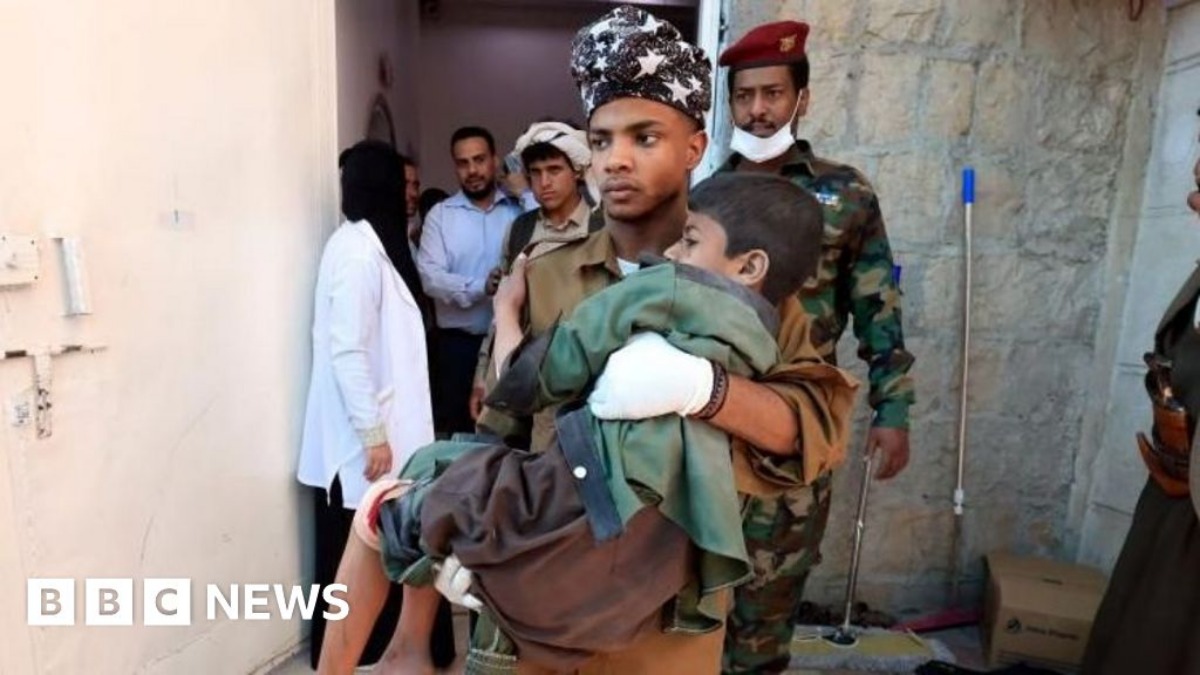
Media outlets run by the Houthi movement in Yemen reported that at least 25 people, including women and children, were killed in airstrikes carried out by Saudi Arabia. Live video footage broadcast on Al Masirah showed rescuers pulling bodies from the rubble of multiple buildings in al-Shariyah, a town located east of the capital, Sanaa.
According to Saba news agency, the strike targeted civilian areas, displaying injured survivors being transported to hospital. There has been no official comment from the Saudi-led coalition, which backs the internationally recognised government of Yemen.
The Context
The latest casualties follow a separate incident in Taiz province, where an attack on a market reportedly killed 30 people. While the Houthis blamed Saudi Arabia for the strike, government forces countered that the Houthis themselves had fired a missile at the site.
These incidents illustrate the brutal pace of renewed fighting in a country where the United Nations estimates more than 1,600 people have died and over 300,000 have been displaced since major combat operations restarted.
The Blind Spot
Mainstream reports frequently frame these clashes as isolated violations of a local ceasefire. However, the underlying driver of the current violence is external. The war in Yemen had remained dormant for several years until it was directly reignited by the broader confrontation involving Iran.
The fragile truce began to fracture irreversibly when Saudi Arabia launched a strike against the Houthi-controlled airport in Sanaa to prevent an Iranian plane from landing. In retaliation, the Tehran-backed group targeted Abha airport in Saudi Arabia and subsequently expanded its operations to strike Saudi ships using the Red Sea as an alternative oil export route bypassing the Strait of Hormuz.
SPOT.
The Story in 30 Seconds
Watch the video briefing with the essentials and the blind spot of this story.
Watch on InstagramWinners and Losers
The primary losers are the civilian populations caught in the crossfire across al-Shariyah, Taiz, and surrounding provinces, bearing the brunt of a renewed displacement crisis numbering over 300,000 individuals.
Militarily, hardline factions within both the Houthi movement and the Saudi-led coalition have reclaimed operational dominance, sidelining diplomatic channels in favor of open hostilities centered on critical infrastructure and maritime chokepoints.
What to Watch
Future developments will depend heavily on the trajectory of the Red Sea shipping lanes, which have served as vital alternative oil export pathways for Saudi Arabia. Further Houthi targeting of maritime commerce or domestic Saudi infrastructure will likely provoke sustained air campaigns, cementing a permanent state of active proxy warfare.
Sources Consulted
- BBC: Houthis say at least 25 killed in Saudi air strike
- Haaretz: Airstrikes on a Market in Southwestern Yemen Kill at Least 30, Houthis Say
- The Globe and Mail: Air strikes kill at least 25 people near Yemen’s capital, Houthi official says
- 파이낸셜뉴스: Houthis: “At least 25 killed in Yemen in Saudi airstrikes” ... civilian tragedy for a second straight day
- Operativ Məlumat Mərkəzi: Houthis say at least 25 killed in Saudi airstrike